As time goes on, AI seems to be taking an increasingly prominent role in our lives. It is not just used casually, as it was during ChatGPT’s initial rise to prominence a few years ago, for the novelty factor of communicating with a generative AI model, but now is being integrated directly into the workflow of almost all companies in some way.
The range of businesses which use AI is naturally as broad as the system itself is versatile
Even in 2024, a survey of companies in the USA reported that 78% of organisations acknowledged use of AI – an increase of over 50% from the year before (via
Stanford HAI). While marketing and technology are the sectors which statistically utilise AI to the greatest extent (via
techUK) the range of businesses which use AI is naturally as broad as the system itself is versatile.
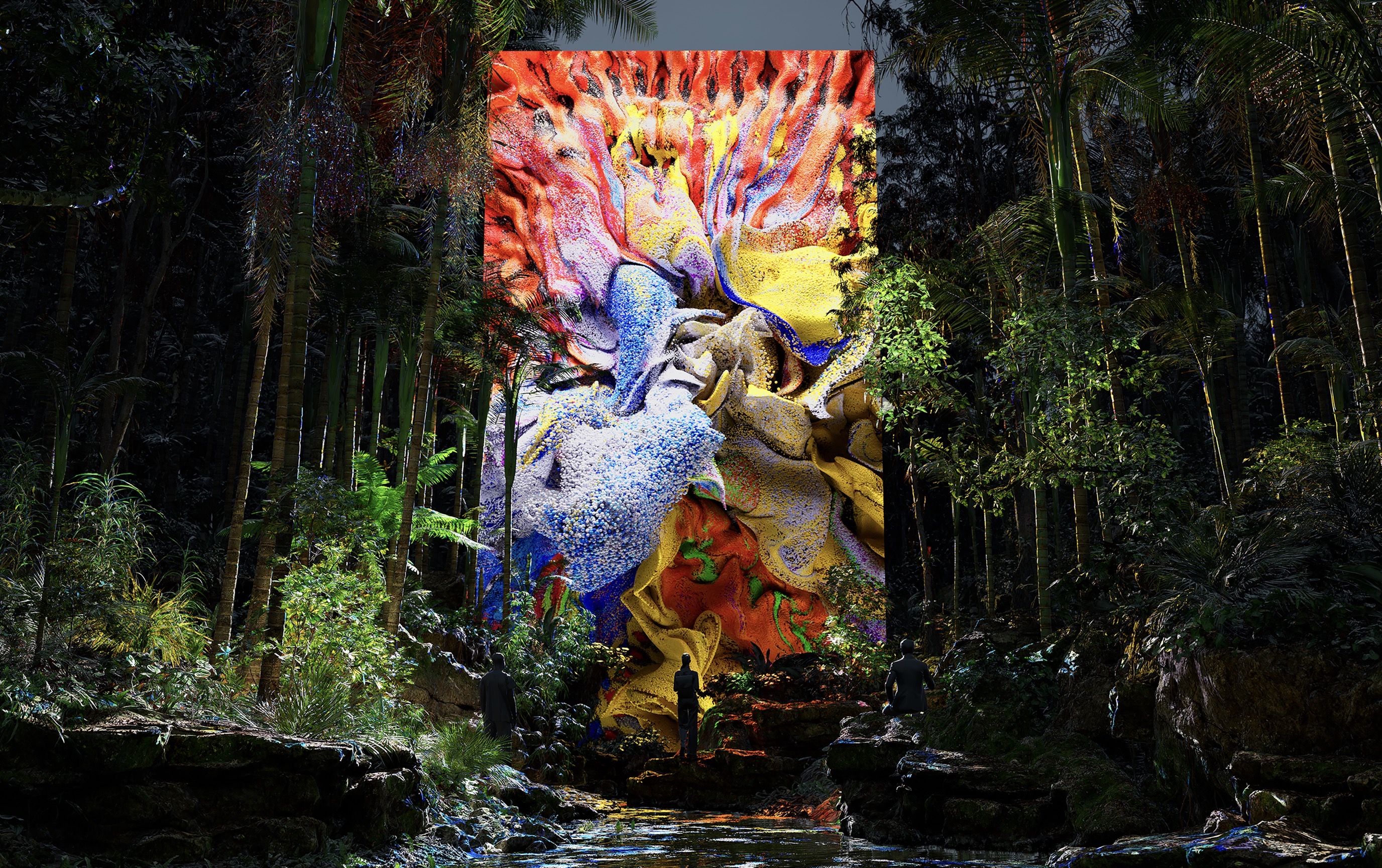
An NFT designed by Refik Anadol, one of the artists featured in Christie’s Augmented Intelligence auction
A recent incident ... was in the run-up to Christie’s Augmented Intelligence Auction last year... This controversy also highlights the uncertain role of auctions in this ongoing debate about the legitimacy of AI art
The relationship between AI and art however is a particularly controversial one. For artists, it poses a significant threat to the perceived value of their craft, able to synthesise pre-existing images (which typically used without artists’ consent) to instantaneously create images with virtually any subject in any style. A recent incident through which these complaints were brought to light was in the run-up to Christie’s Augmented Intelligence Auction last year, where artists in an open letter decried the “mass-theft” that was inherently involved in creating the works up for sale (via
OpenLetter). This controversy also highlights the uncertain role of auctions in this ongoing debate about the legitimacy of AI art, and its place in the art market more broadly.
[AI's] capabilities can be put to use in many ways: generating market reports, quickly summarising trends or important moments
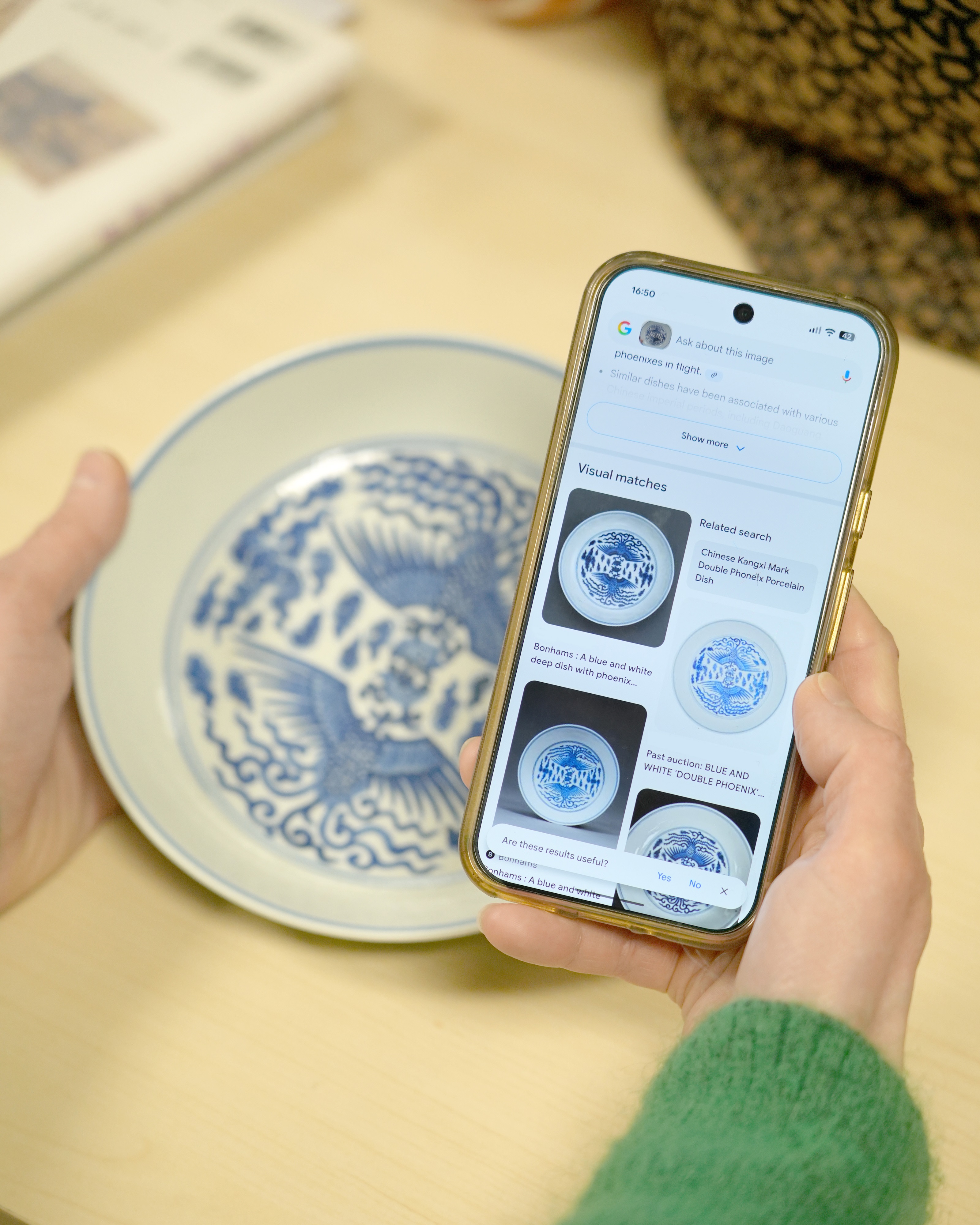
Outside of the presence of AI artworks found within auction catalogues themselves, AI has also gained a degree of prominence on the practical, everyday workings of the business. Its capabilities can be put to use in many ways: generating market reports, quickly summarising trends or important moments, or for individual objects quickly identifying maker’s marks. It can be especially useful for instantly providing an instantly gratifying, general sense of an item’s possible value, based on its type and recent market history.
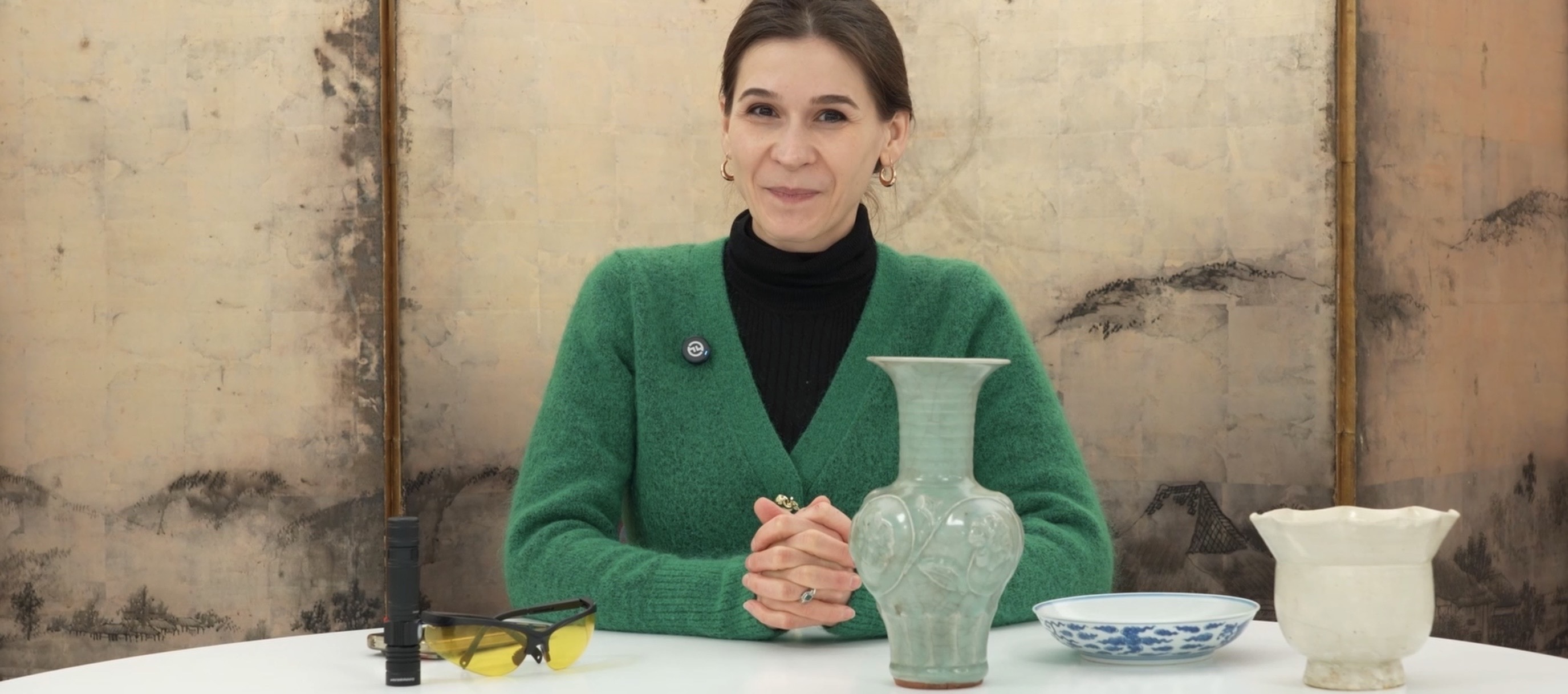
Naturally, this may be viewed as a possible threat to specialists working in the auction industry – whose eyes become trained over years of hands-on experience with artworks, giving them the ability to identify the quality of works without technological assistance. Marta Somauroo, Azca’s Head of Asian Art, recently responded to the question of AI’s usefulness in identifying the value of artworks – and drew out several key ways in which in-person expertise is superior to the output of AI resources like Google Lens, especially in the context of ceramics.
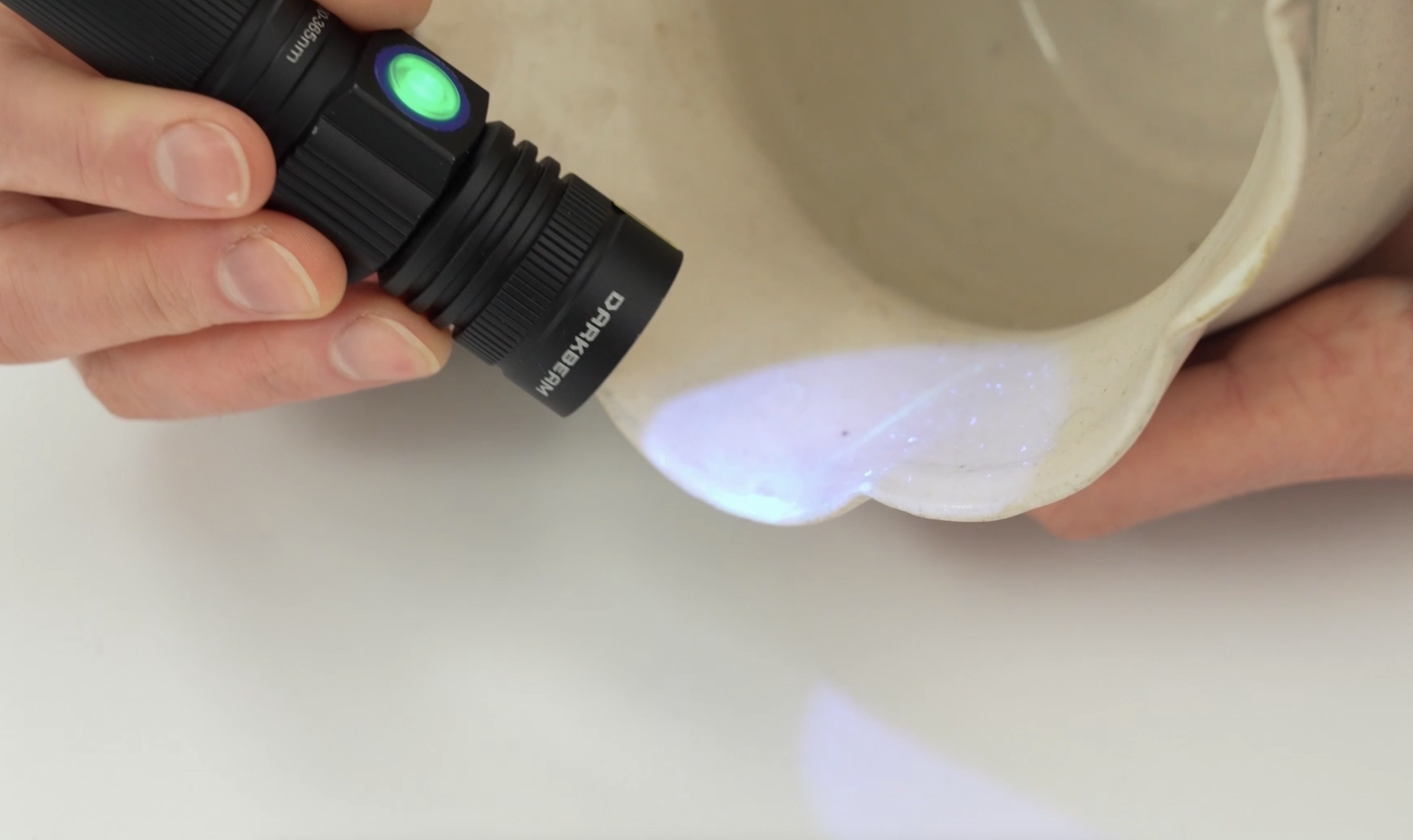
One crucial first-step taken by a ceramics expert in determining the value of a piece is interrogating it under UV light. This allows any restoration or cracks invisible to the naked eye to be seen – becoming clear as phosphorescent patches and lines. It is important always to remember that protective eyewear should be worn for this process!
A solely image-based search will also not be of any help in assessing the weight and thickness of an item. These details are of crucial importance in distinguishing a work of great quality from a less accomplished version or a later imitation. For example, uniform thickness throughout the body of a piece of porclain typically is an indicator of age and craftsmenship - whereas later examples may have uneven thickness in places, especially towards the foot.
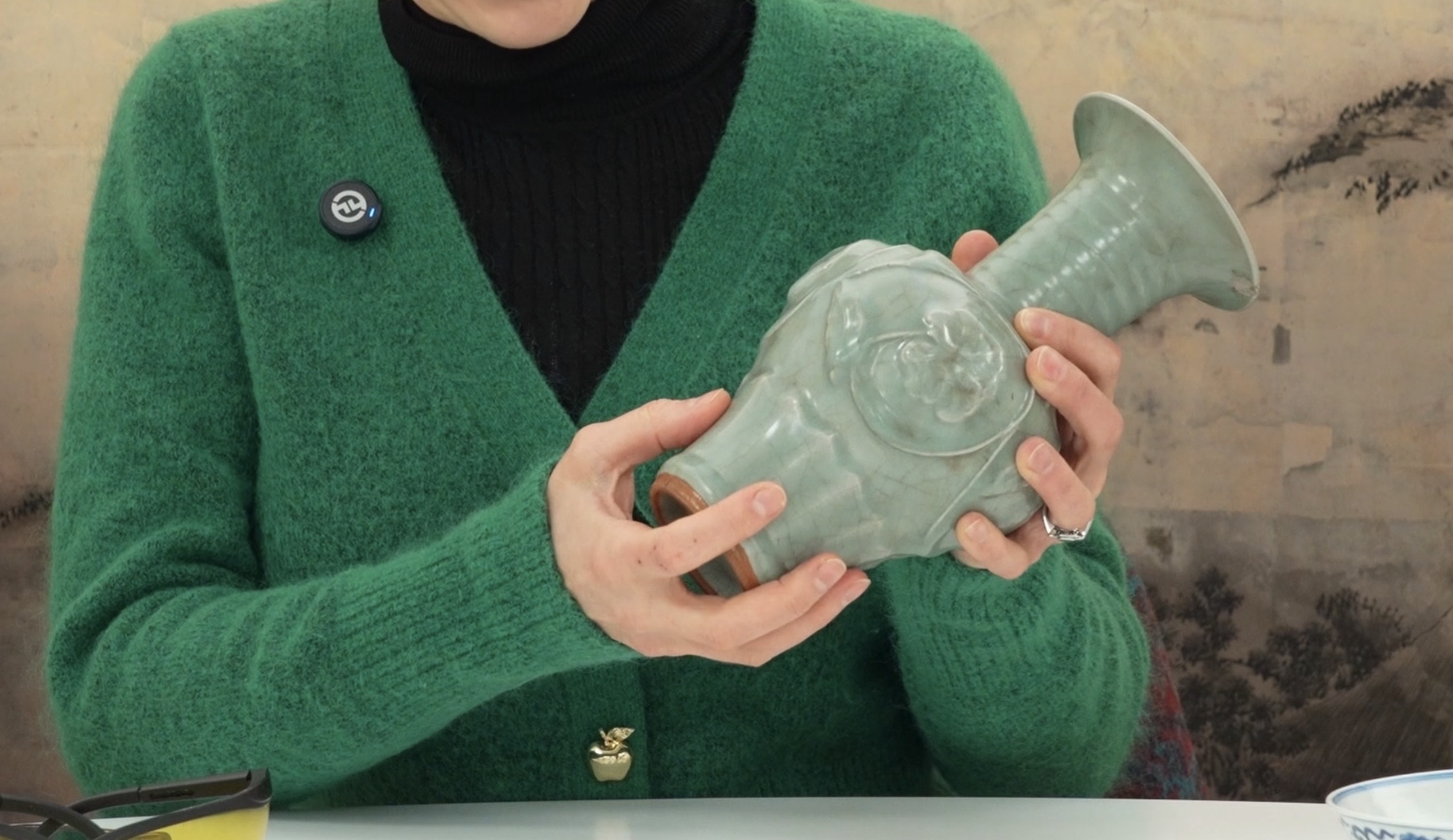
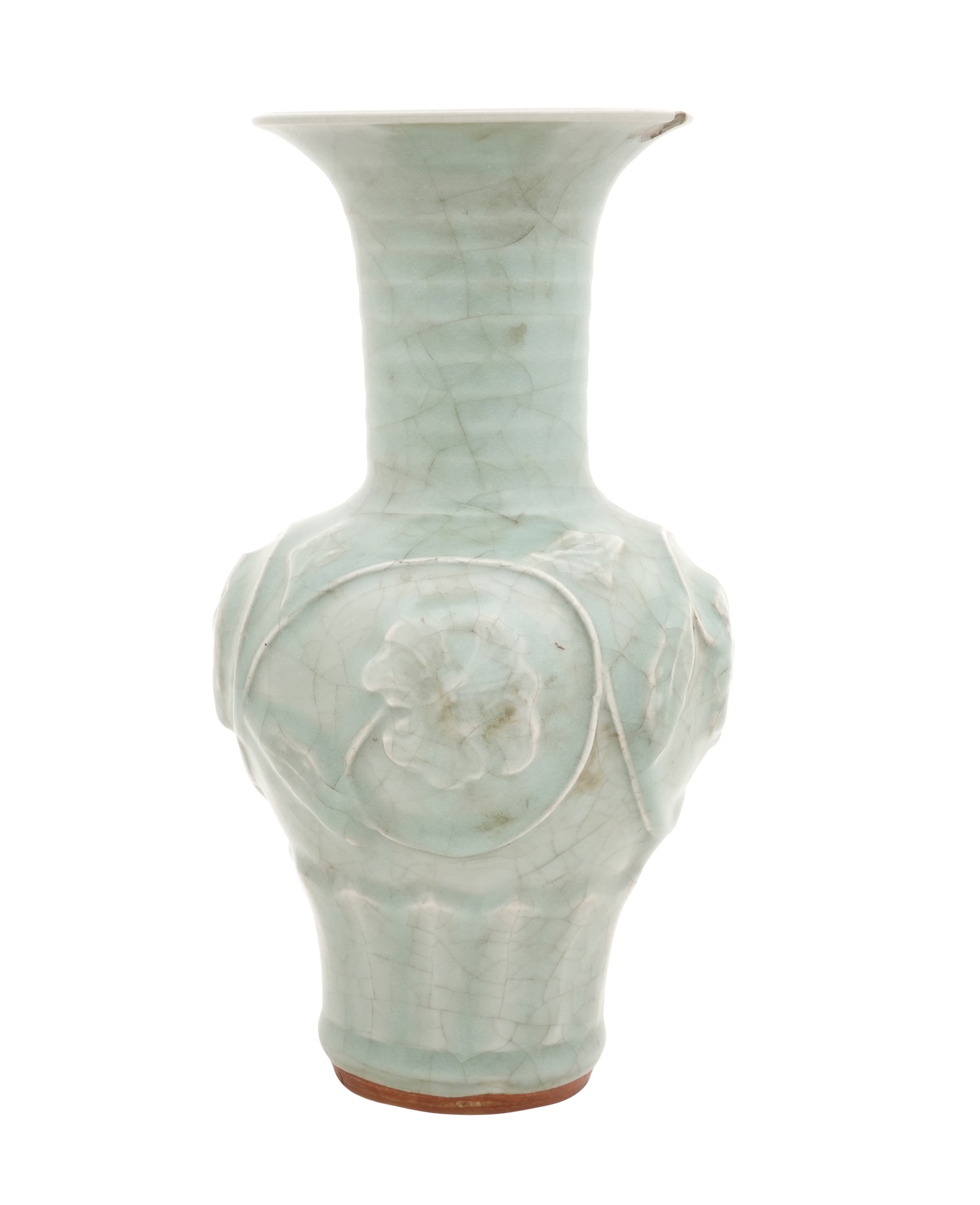
In a video recently posted to our Youtube and Instagram, Marta inspects a Ming dynasty Longquan celadon yenyen vase
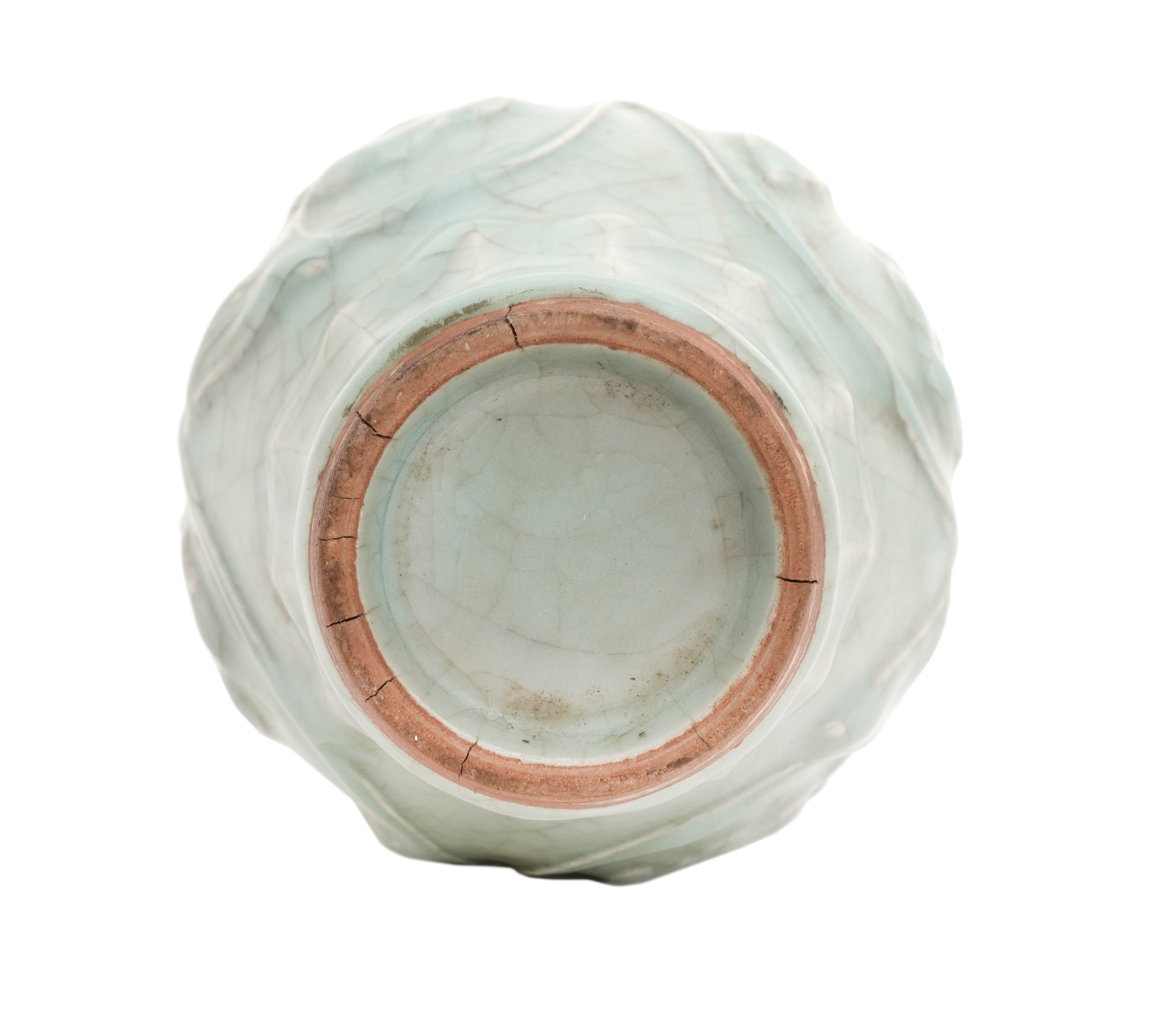
The true colour of objects is also typically hard to capture in a photograph, especially one quickly captured with a mobile device. It can be crucial to clearly view the colour of clay, in order to determine a piece’s composition and its possible origins of a piece.
The colour of the clay on the foot of this vase allows it to be identified as a Longquan ceramic
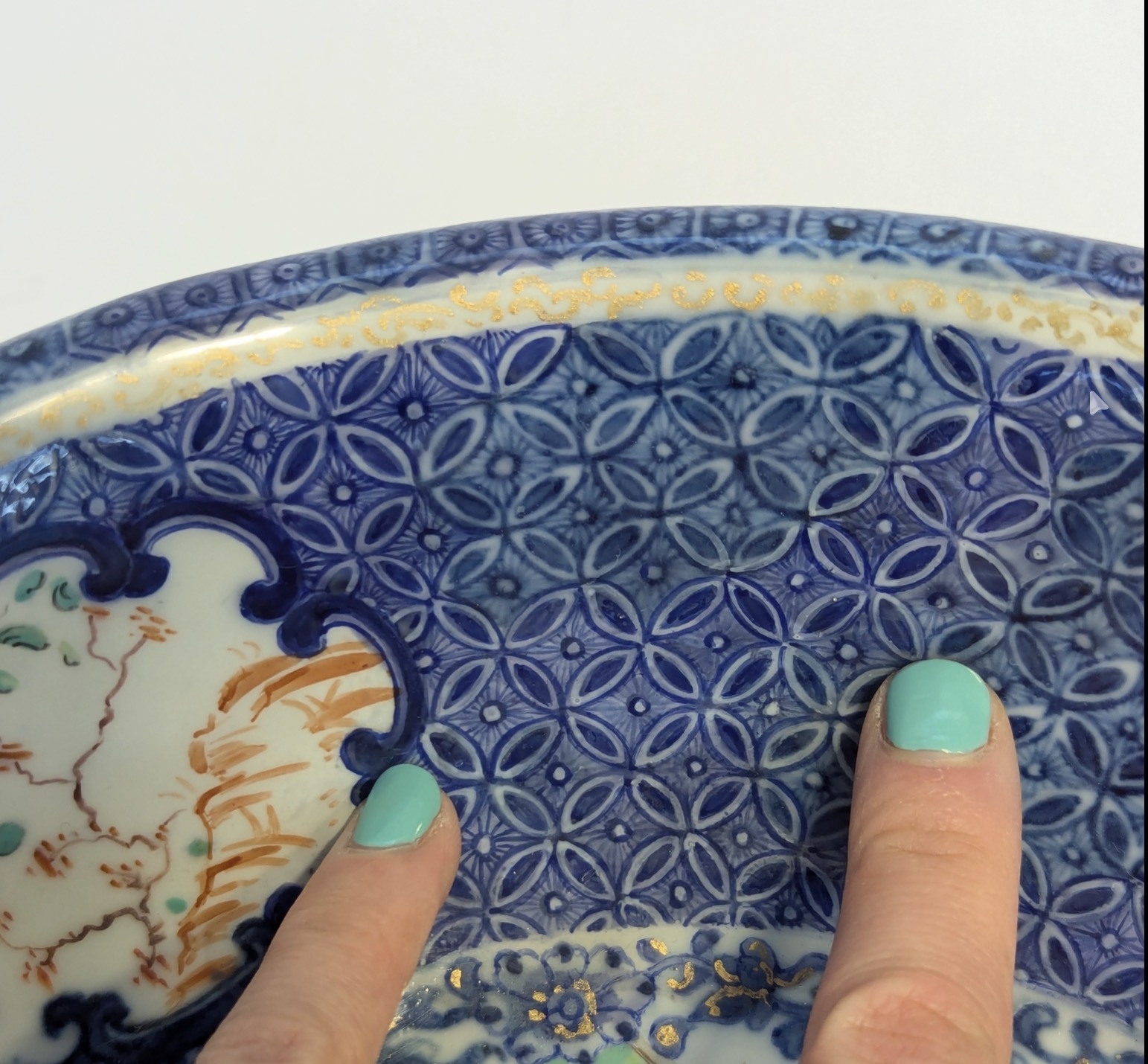
Additionally, there are subtle signs of wear which are typically only caught by the discerning eye of a specialist, and which are hard to capture in photographs with limited resolution. These include small cracks and frits, or rubbing and general surface wear to enamels, all of which impact the potential value of a piece.
Subtle discoloured markings on a plate indicating past breakage and restoration
One final, and crucial, quality of works that AI image-search cannot discover is the provenance of an item. It may be able to bring up aesthetically similar examples, but will never provide insight into the details of ownership history, which can be crucial for understanding the difference between an authentic original or a later reproduction or fake. It is advised that museum collections, previous auction catalogues and auction specialists are always consulted for reference where there are doubts about a piece or its origins.
In light of all of these points, it seems clear that we are still quite a way from AI searches replacing the role of art specialists. This comes as a relief - as certainly a future in which human interaction and the sharing of expertise is removed from the context of the art market would be a bleak one.
All of our departments are currently inviting consignments for upcoming sales. If you have any items you would like to be valued, please fill out our Online Valuation Form, or come along to one of our weekly Walk-In Valuation Days, which take place every Monday from 10am – 4pm at 188R Hammersmith Road.